Andrew Huberman's Optimal Health Protocol
A neuroscience-grounded protocol for optimizing sleep, focus, physical performance, and overall health through deliberate light exposure, targeted supplementation, and structured routines.
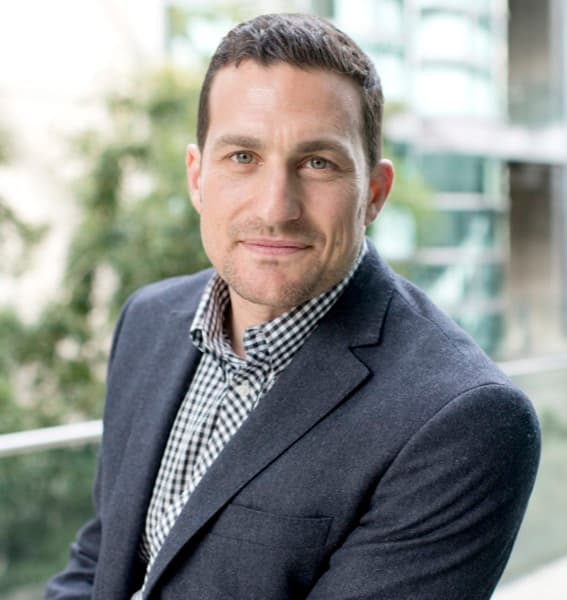
Andrew Huberman
Neuroscientist & Stanford Professor
Andrew Huberman's optimal health protocol is a neuroscience-based framework for improving sleep, cognitive performance, physical health, and emotional resilience. Huberman, a tenured professor of neurobiology at Stanford School of Medicine, translates peer-reviewed research into practical daily routines, making his protocol one of the most science-literate and widely followed longevity-adjacent programs available today.
Overview
Huberman rose to public prominence through his podcast, the Huberman Lab, where he breaks down complex neuroscience topics into actionable advice. Unlike protocols that originate from personal experimentation or traditional wisdom, Huberman's recommendations are rooted in his own laboratory research and a broad reading of the scientific literature. His approach treats the nervous system as the master regulator of health, arguing that if you get sleep, light exposure, and stress modulation right, most other health outcomes improve as a consequence.
The protocol is not a rigid prescription. Huberman frequently emphasizes that individuals should experiment and adjust based on their own responses. However, certain pillars — morning sunlight, consistent sleep timing, deliberate cold exposure, and a targeted supplement stack — form the backbone of his recommendations and remain consistent across his public communications.
Sleep Optimization
Sleep is the foundation of Huberman's protocol. He considers it the single most important behavior for mental and physical health. The core practice is viewing bright light, ideally sunlight, within the first 30 to 60 minutes of waking. This exposure triggers a cortisol pulse that sets the circadian clock, improving alertness during the day and promoting melatonin release at the appropriate time in the evening.
In the evening, Huberman recommends dimming lights and avoiding overhead bright lights after sunset. He suggests keeping the sleeping environment cool — around 65 to 67 degrees Fahrenheit — and maintaining a consistent wake time even on weekends. For people who struggle with sleep onset, he has discussed supplements such as magnesium threonate, apigenin, and theanine, though he notes these are optional and secondary to behavioral interventions.
The emphasis on light as a tool distinguishes Huberman's sleep advice from conventional sleep hygiene tips. He explains the mechanisms at the level of retinal ganglion cells and the suprachiasmatic nucleus, giving listeners a mechanistic understanding of why these practices work.
Exercise and Physical Performance
Huberman advocates for a balanced exercise regimen that includes both resistance training and cardiovascular work. He typically recommends three days of resistance training and three days of cardiovascular exercise per week, with one rest day. Resistance sessions focus on compound movements and progressive overload. Cardiovascular sessions alternate between long steady-state efforts and high-intensity intervals.
A distinctive element is his recommendation for deliberate cold exposure, such as cold showers or ice baths, as a tool for increasing dopamine and norepinephrine levels. Huberman cites research showing that cold water immersion can elevate baseline dopamine by up to 250 percent for several hours. He advises performing cold exposure separately from resistance training to avoid blunting the hypertrophy response.
Key Supplements
Huberman's supplement recommendations are specific and often accompanied by citations. Omega-3 fish oil is a staple, recommended at doses of one to two grams of EPA per day for its anti-inflammatory and mood-supporting effects. He views EPA-rich fish oil as one of the most well-supported supplements in the literature.
Collagen peptides are included for joint, skin, and connective tissue health, typically taken at 15 to 20 grams per day. Blueberry powder or whole blueberries are recommended for their anthocyanin content, which Huberman connects to improved cerebrovascular function and cognitive performance. Additional supplements he has discussed include creatine monohydrate for cognitive and physical benefits, rhodiola rosea for acute stress and fatigue, and alpha-GPC for focus.
Huberman is careful to note that supplements are the final layer, not the foundation. Sleep, light exposure, exercise, and nutrition come first. Supplements fill gaps that behavior alone cannot close.
Focus and Cognitive Performance
Beyond physical health, Huberman dedicates significant attention to protocols for improving focus and learning. He recommends 90-minute focused work blocks aligned with ultradian cycles, interspersed with deliberate rest periods. Practices such as non-sleep deep rest, a form of guided relaxation similar to yoga nidra, are used to accelerate mental recovery and enhance neuroplasticity.
He also discusses the role of dopamine management in sustained motivation, cautioning against behaviors that spike dopamine artificially — such as constant phone checking or excessive caffeine — because they lower baseline dopamine over time and reduce the capacity for sustained effort.
What Makes It Unique
Huberman's protocol is distinguished by its mechanistic depth. Rather than simply stating what to do, he explains why each practice works at the level of neurons, hormones, and receptors. This transparency allows followers to make informed decisions about which elements to adopt and which to skip. The protocol is also notable for its accessibility — most recommendations are free, requiring nothing more than sunlight, a consistent schedule, and basic exercise equipment. The supplement layer is optional and modular, making the overall framework adaptable to a wide range of budgets and lifestyles.
Recommended Products
Omega-3 Fish Oil (High EPA)
supplements
Collagen Peptides
supplements
Organic Blueberry Powder
supplements
AG1 (Athletic Greens)
supplements
Magnesium (Threonate/Glycinate)
supplements
Vitamin D3 (5000 IU)
supplements
Electrolyte Mix
supplements
Creatine Monohydrate
supplements
Fermented Foods (Kimchi, Sauerkraut, Kefir)
foods
L-Theanine
supplements
Inositol (Myo-Inositol)
supplements
Black Coffee
foods
Links may earn us a commission at no extra cost to you.
Compare Andrew Huberman With...

vs 刘畊宏 (Liu Genghong)
6 shared products

vs Bryan Johnson
2 shared products
vs Ben Greenfield
2 shared products
vs Gary Brecka
2 shared products
vs Anders Hansen
1 shared product

vs David Sinclair
1 shared product

vs Mark Hyman
1 shared product

vs Rhonda Patrick
1 shared product
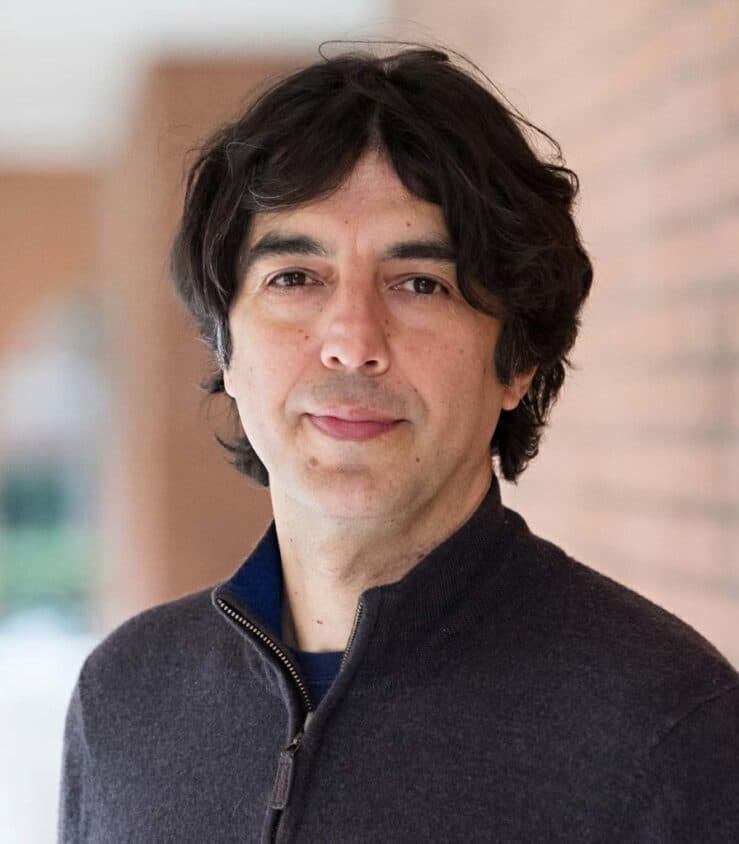
vs Valter Longo
1 shared product

vs Dr. Carlos Jaramillo
1 shared product
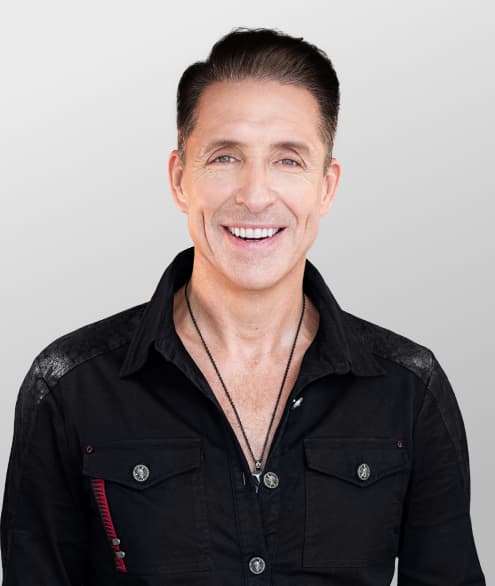
vs Dave Asprey
1 shared product
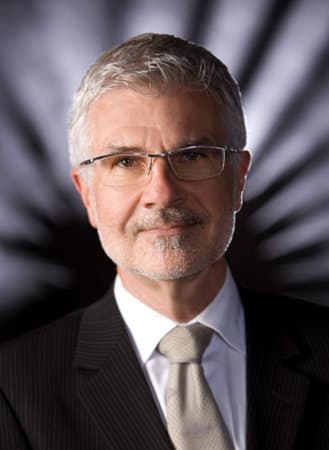
vs Steven Gundry
1 shared product
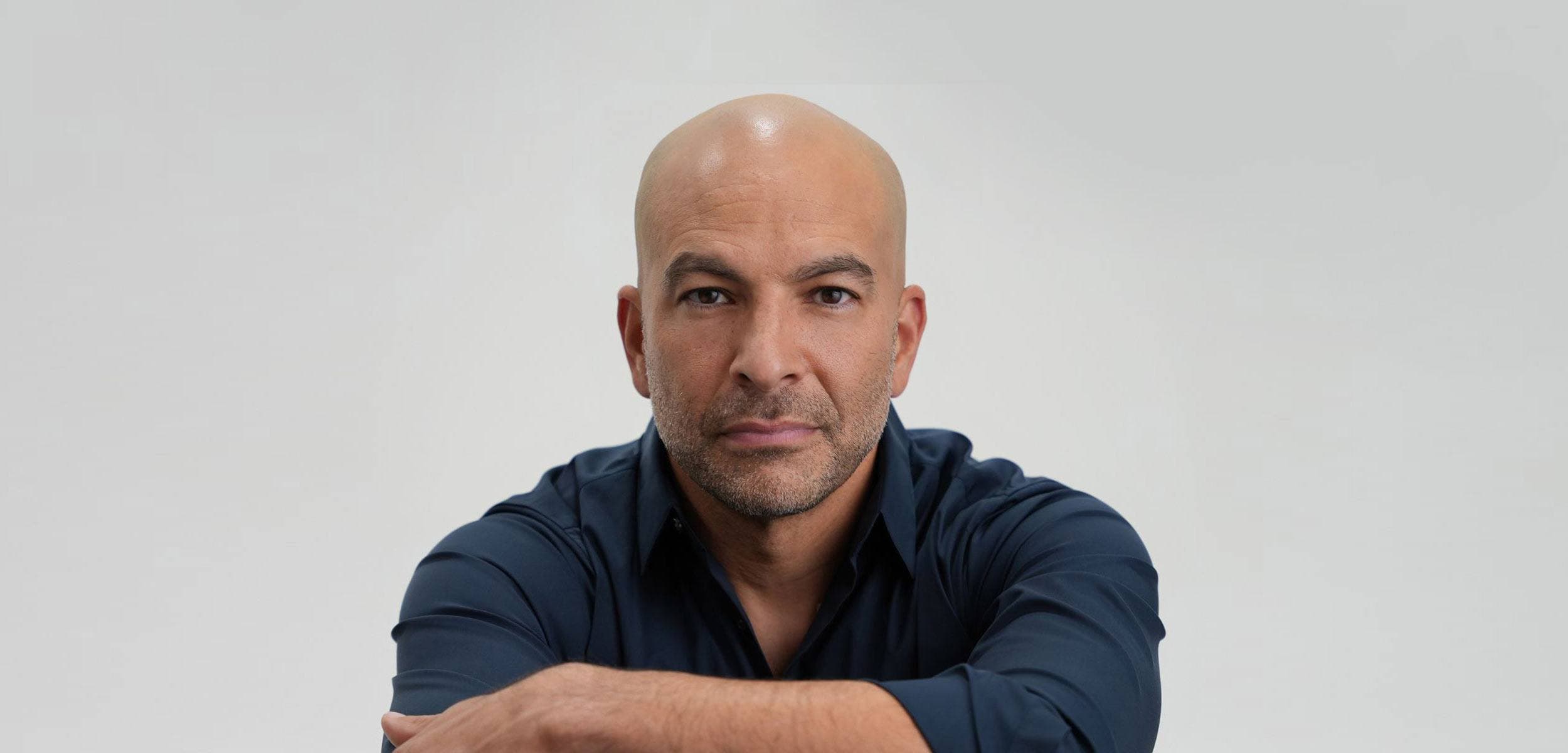
vs Peter Attia
1 shared product
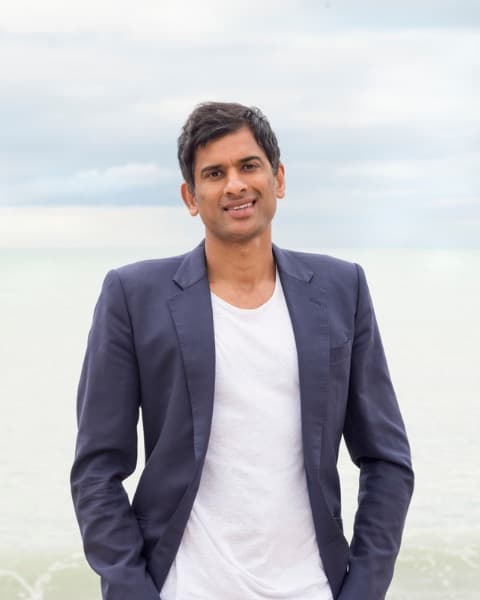
vs Dr. Rangan Chatterjee
1 shared product
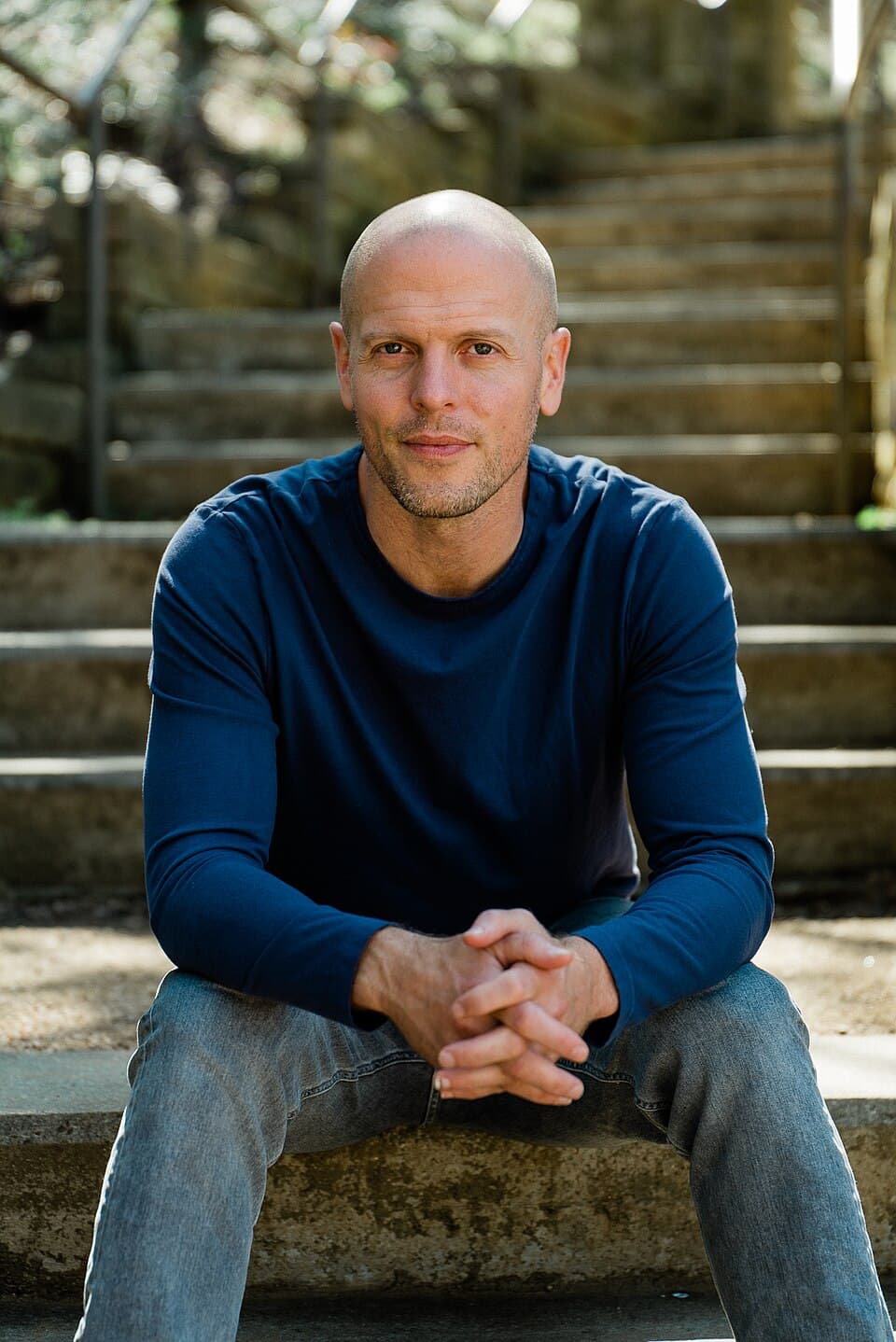
vs Tim Ferriss
1 shared product
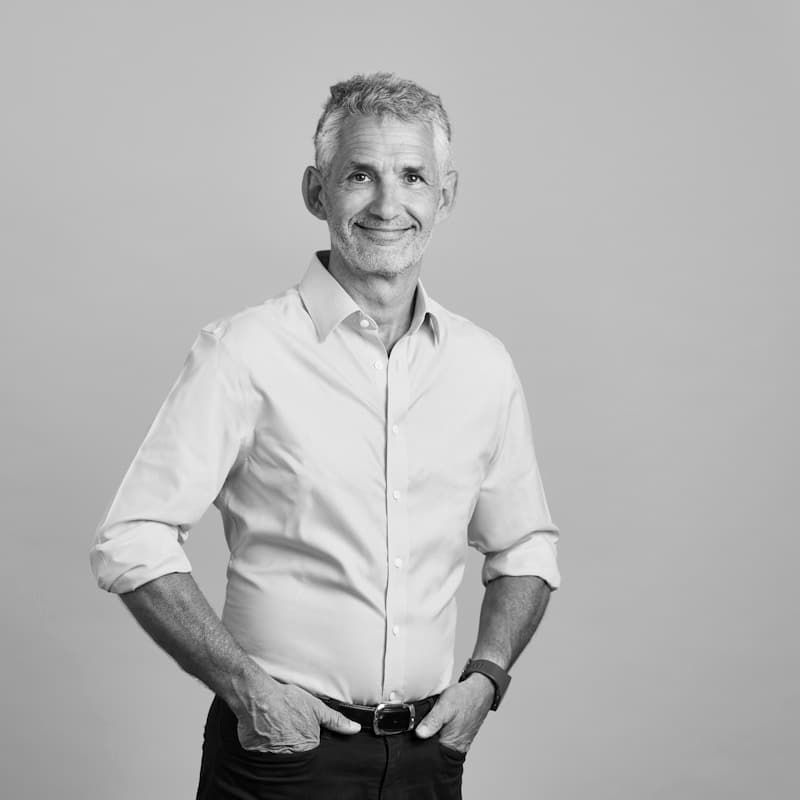
vs Tim Spector
1 shared product

vs Vivek Mittal
1 shared product
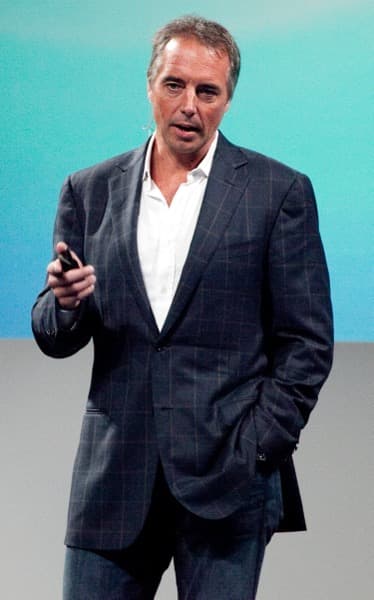
vs Dan Buettner
vs Wim Hof
Get More Protocol Breakdowns
Weekly deep dives into longevity protocols, product reviews, and the latest research — delivered to your inbox.